

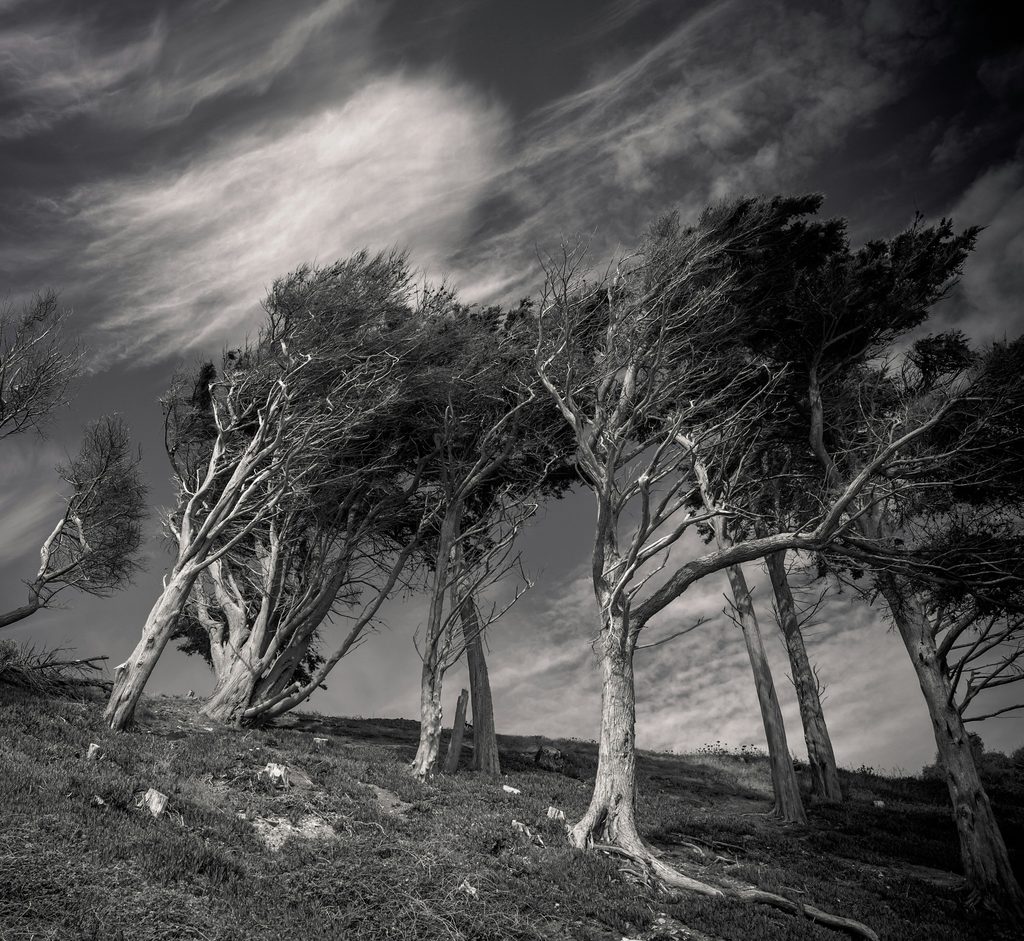
Hurricane Isaias swept through the Gulf of Mexico yesterday, hitting land near Destin, Florida, at 8:30 pm. What was feared to be a category 4 storm turned out to be a category 2 and now has been further downgraded to a post-tropical cyclone. Winds initially as high as 115 mph diminished to 35 mph. The possibility that it might turn into another Helene appears to have been avoided, and we are all thankful for that. Considerable rain is still falling and will continue to do so for a couple days. A lot of football fans in the Gulf Coast states today are going to need rain apparel to sit in stadiums cheering for their teams. But, the scope of the tragedy we feared has hopefully been avoided.
That being said, a storm still passed through. Property was lost. Businesses have been severely damaged. Homes have been destroyed. One life was lost due to a falling tree. And, the storm is still moving north over land and could potentially cause tornadoes in Alabama, Georgia, and the Carolinas. For most people, it was not as bad as we feared. But for some it was devastating.
As I read the Hurricane Isaias accounts this morning, I began to think about the phrase: “It could be worse” and how easily we throw those words around when we observe human suffering. “He lost his job.” “Well, it could be worse. They still have their house. There are jobs out there.” … “She’s confined to a wheelchair and is facing months of painful and expensive rehab.” “It could be worse. She could have died in that wreck.” … “He wasn’t admitted to grad school. He’s having to give up his lifelong career dream.” “It could be worse. He’ll find something else.” … “He left her and isn’t coming back. He was the love of her life.” “It could be worse. She’s lucky to be rid of him. She’ll find someone new.” … “That family is homeless.” “It could be worse. There are temporary shelters for people like them. It will teach them a good lesson about the value of hard work.” … “He’s having so many physical problems related to aging.” “It could be worse. Remember, growing old beats the alternative.” … “She is struggling so hard with depression.” “It could be worse. She has a good life. She needs to look on the bright side.” “It could be worse” is an easy thing to say when we are not the ones going through the crisis. There’s an old adage: “`Minor surgery’ refers to something being done to somebody else’.”
Isaias could have been a lot worse. But, to a grieving family, to countless individuals who lost their homes, to thousands without power (some who have illnesses that require life-sustaining electrical equipment at home), to those in Milton, Destin, and other places who had local businesses two days ago which now are destroyed, to elderly or homebound folks with no access to roads, and on and on the list goes, the effects of the storm have been disastrous. Thank God there were people who showed up immediately to search, rescue, comfort, and assist – and that there will be countless others who step forward in the aftermath to help restore life for those who were pounded by the storm.
I guess there are a couple lessons in this for us.
First, it’s too easy to dismiss the pain others experience. “It could be worse.” When the tables are turned, we hope that others will be more sensitive to us than that. We hope they will understand that our pain is hurtful whether or not it appears devastating to somebody else. Our tears are real, as are our wounds and fears. The same is true for others. Hunger is hunger. Grief is grief. Loneliness is loneliness. Whether or not it appears that something could have been worse, whatever occurred is still bad enough. And whoever is suffering through it needs the compassion of someone who will stand beside them with love and concern.
Second, none of us can do everything, but all of us can do something. Yesterday I wrote a couple checks. One was to an agency that assists orphans in East Africa. Another was to Habitat for Humanity in the mountains of North Carolina. My gift was not substantial enough to find each of those thousands of orphans a safe home. But, perhaps it is enough so that one child can be fed or medically treated or clothed. My gift was not substantial enough to build a house for a homeless family in northwest NC. But perhaps when added to the contributions of others, a residence will be made available to a mom, dad, and kids who deserve a place to call “home.” Yesterday I took a few minutes to listen to people who are bearing up under burdens. I do not have the power to resolve their issues. But just through listening, perhaps for a moment they felt a little less alone. Most of you regularly do those same things and much more. Whatever you do matters for someone.
The point is that not every pain or hardship in someone else’s life is necessarily a category 4 storm. But to that person, it feels like it is. Sensitivity to that reveals the presence of kindness, without which we are never fully human. Additionally, when we witness the needs of others, there is always something we can do. It may not seem monumental, but the old saying is absolutely true: “Sometimes a little can do a lot.” A small contribution. A moment of sincere listening. A note or email or phone call that offers encouragement. We do have the power, even in ways that we think are small, to help others survive the storms of life.
Storms of all sorts come. They are real. But when they do, people who care come, too. Their healing love is real. When we are part of that community of care, we bring meaning to those who suffer … and, we find meaning for ourselves.