
My wife and I enjoy watching a TV program called “My Greek Table” hosted by celebrity chef and author, Diane Kochilas. Page loves the breathtaking scenery as Kochilas goes from city to city and village to village revealing mountains, seascapes, fields of grapes, etc., images that are absolutely breathtaking. I, on the other hand, tune in solely to watch her prepare the food, as well as to watch her guests devour it. Vicarious gluttony, you know.
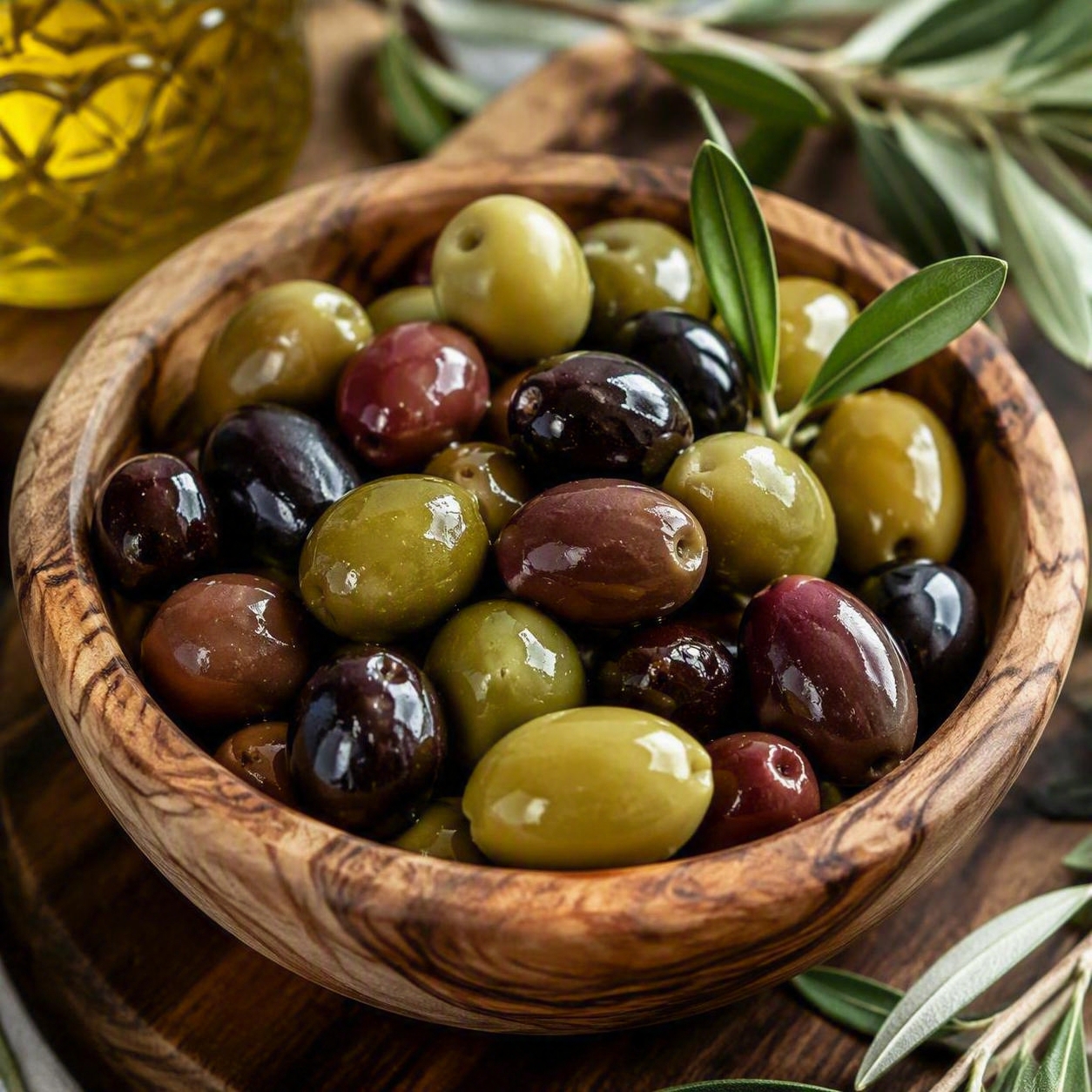
Each show focuses on a particular item: grapes that become wine, tomatoes and sardines that become mezze, grains that become bread, on-and-on episode by episode. A show we watched not long ago was about olives, how they are grown, how they are pitted and stuffed with a wide variety of delicious things, how they are pressed into rich, wonderful, and healthy olive oil, how they are used in tapenade and other recipes. In one part of the program, they filmed workers sorting through olives on a conveyor belt. As thousands of olives slowly passed by on the belt, the workers picked them up, examined them, and discarded those with blemishes (which would become part of oil but not part of olives to be eaten). The manager of the company told the program’s host: “We have to carefully decide what to discard in order to provide the highest quality product.” What an intelligent life principle!
What to discard in order to provide the highest quality …. I’m doing that now. After a certain age, I suspect we all should be doing so. I am probably working harder, and certainly at more jobs, currently than before I officially retired (which only lasted about six weeks). Recently, in the span of three days, my physician and one of my most trusted friends gave me the same advice – even using the same metaphor to do so. Neither one was referring to income. Each was talking about life and health. My physician said: “Physically, you are spending more than you’re earning.” My friend said: “You’re writing more checks than your body can keep cashing.” You and I phrase the same advice in a variety of ways: “Pace yourself.” “Self care is sacred work.” “Care for you so that you can care for others.” You’ve heard all the cliches. The point is, usually something becomes a cliche because there is truth and wisdom in it. What to discard in order to provide the highest quality …
So, what do we let go of in order to hang onto that which we love most, that which invigorates and feeds us rather than diminishes? In my case, I’m trying at last to learn when to say NO in order that I can give my best to those other people and things that deserve a YES. I have decided since last week to let go of membership in two important organizations that can do their work just as well without me. How about you? What committees would function just as smoothly whether or not you are in the room? What jobs pester you like nighttime mosquitoes while, in truth, if they were left unattended it really wouldn’t matter much? What relationships could be better managed (not discarded, mind you, but managed) in order that they wouldn’t drain you of so much energy? What is making you tired, and what do you need to do about it?
By the same token, how can we heed the wise advice of Joseph Campbell who said, “Follow your bliss”? In other words, what gives you energy as opposed to draining it? What brings you joy instead of stress? Where do you find peace that becomes your oasis in a desert of anxiety? What feels like fun instead of labor? As I often say (and clearly should listen to my own counsel): “If something makes you happy, and if it’s moral and legal, do it – then do more of it!” What are the good olives we should keep, and what are the blemished ones we need to cast aside?
“Love your neighbor as (you love) yourself” is a biblical mandate found both in the Old Testament and the New. The truth is, unless I take care of myself, in time there won’t be enough self left to take proper care of anyone or anything else. So, what can we let go of? And conversely, what should we embrace more fully? “We have to carefully decide what olives to discard in order to provide the highest quality product.”